Recipes With Buckwheat Flour - Buckwheat flour, derived from the buckwheat plant, offers a unique and nutritious alternative to traditional wheat flour. With its distinctive earthy flavor and gluten-free nature, buckwheat flour has gained popularity in various cuisines worldwide. Explore the versatility and health benefits of this remarkable ingredient through a culinary journey filled with delicious recipes, cooking techniques, and creative uses.
Types of Buckwheat Flour
Buckwheat flour is a gluten-free flour made from buckwheat groats, which are the hulled seeds of the buckwheat plant. It has a slightly nutty flavor and a slightly bitter aftertaste. Buckwheat flour is available in three main types: light, medium, and dark.
Light buckwheat flour is made from the innermost part of the buckwheat groat and has a light color and a mild flavor. It is the most commonly used type of buckwheat flour and is suitable for all-purpose baking.
Medium buckwheat flour is made from the middle part of the buckwheat groat and has a slightly darker color and a more pronounced flavor. It is often used in combination with light buckwheat flour to add flavor and texture to baked goods.
Dark buckwheat flour is made from the outermost part of the buckwheat groat and has a dark color and a strong flavor. It is typically used in small amounts to add a nutty flavor to baked goods.
| Type of Buckwheat Flour | Color | Flavor | Uses |
|---|---|---|---|
| Light | Light | Mild | All-purpose baking |
| Medium | Slightly darker | More pronounced | Add flavor and texture to baked goods |
| Dark | Dark | Strong | Add a nutty flavor to baked goods |
Nutritional Value of Buckwheat Flour
Buckwheat flour is a gluten-free flour made from buckwheat groats. It is a good source of fiber, protein, and minerals. Buckwheat flour also has a low glycemic index, making it a good choice for people with diabetes or prediabetes.
The following table highlights the key nutrients in buckwheat flour and their benefits:
| Nutrient | Amount | Benefits |
|---|---|---|
| Fiber | 10 grams per cup | Promotes digestive health, helps lower cholesterol, and keeps you feeling full |
| Protein | 6 grams per cup | Builds and repairs tissues, and produces enzymes and hormones |
| Magnesium | 80 milligrams per cup | Supports muscle and nerve function, and helps regulate blood sugar |
| Iron | 2 milligrams per cup | Carries oxygen throughout the body, and helps produce red blood cells |
| Zinc | 1 milligram per cup | Supports immune function, and helps heal wounds |
Recipes Using Buckwheat Flour
Buckwheat flour is a versatile ingredient that can be used in various recipes. It adds a unique nutty flavor and a slightly grainy texture to dishes.
Here are some popular recipes that use buckwheat flour:
Blinis
- Blinis are Russian pancakes made with buckwheat flour, yeast, and milk. They are typically served with sour cream, caviar, or smoked salmon.
- Buckwheat blini is a gluten-free alternative to traditional wheat flour pancakes.
Buckwheat Crepes
- Buckwheat crepes are similar to blinis but thinner and crispier. They can be filled with a variety of sweet or savory fillings, such as cheese, ham, or fruit.
- Buckwheat crepes are a popular breakfast or brunch dish.
Buckwheat Pizza Crust
- Buckwheat pizza crust is a healthier alternative to traditional wheat flour pizza crust. It is made with a combination of buckwheat flour and other flours, such as white flour or whole wheat flour.
- Buckwheat pizza crust is gluten-free and has a nutty flavor that complements the toppings well.
Buckwheat Bread, Recipes With Buckwheat Flour
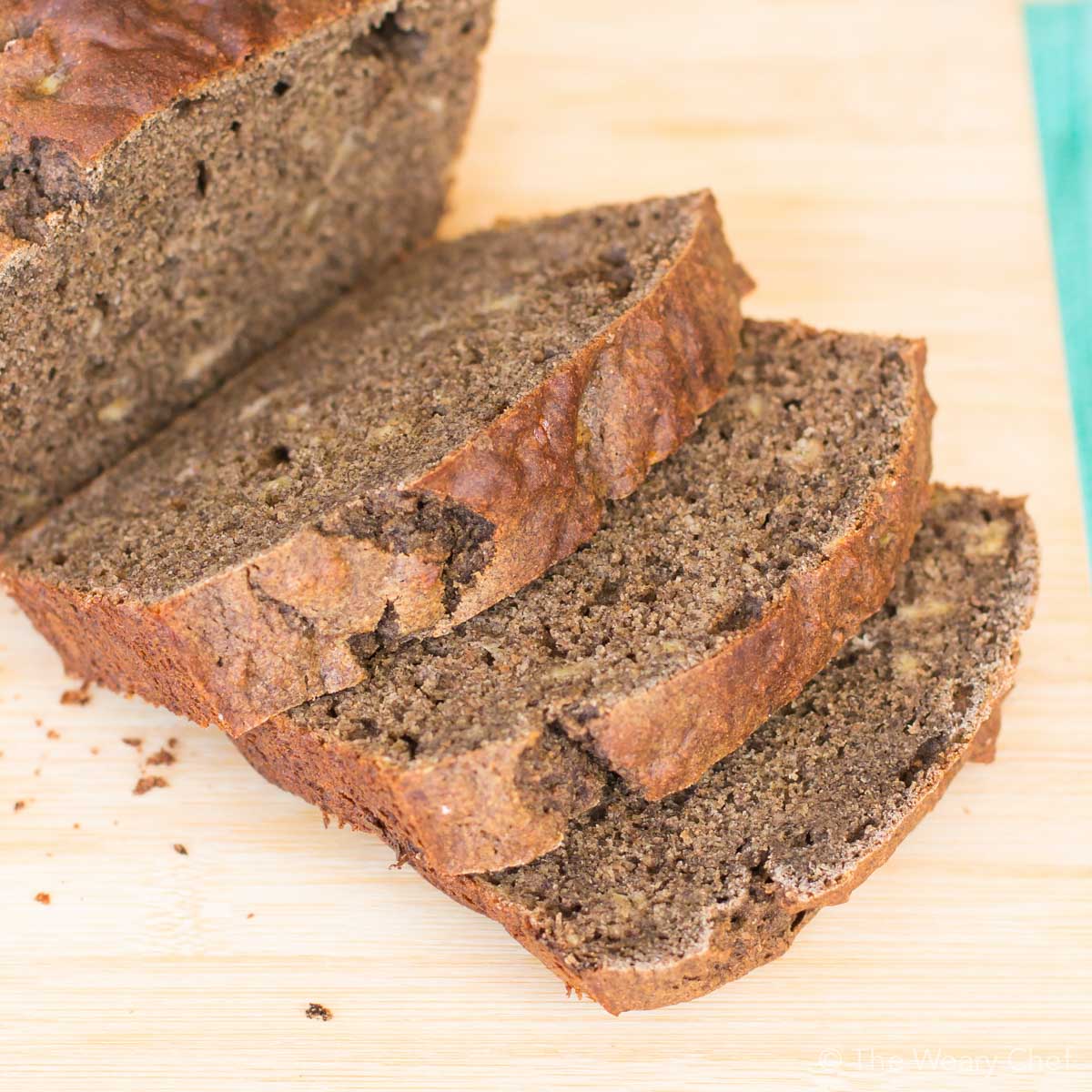
- Buckwheat bread is a hearty and flavorful bread made with buckwheat flour. It has a slightly dense texture and a nutty flavor.
- Buckwheat bread is a good source of fiber and protein.
Buckwheat Pasta
- Buckwheat pasta is a gluten-free alternative to traditional wheat pasta. It is made with buckwheat flour and water.
- Buckwheat pasta has a slightly nutty flavor and a chewy texture.
Cooking Techniques for Buckwheat Flour
Buckwheat flour, derived from the buckwheat plant, possesses unique characteristics that demand specific cooking techniques to unlock its full potential. Understanding these techniques will empower you to avoid common pitfalls and elevate your buckwheat flour creations.
Mixing and Hydration
- Buckwheat flour absorbs moisture differently compared to wheat flour. Begin with a lower hydration ratio and gradually increase it until the desired consistency is achieved.
- Mixing buckwheat flour with other flours, such as wheat or almond flour, can enhance its texture and flavor profile.
Kneading and Rising
- Buckwheat flour does not contain gluten, a protein responsible for elasticity in dough. As such, buckwheat flour doughs require less kneading and will not rise as much as wheat-based doughs.
- Allowing buckwheat flour dough to rest for a period of time before baking can improve its texture and flavor.
Baking
- Buckwheat flour has a tendency to brown more quickly than wheat flour. Monitor the baking process closely and adjust the temperature or baking time accordingly.
- Buckwheat flour can impart a slightly bitter taste. To balance this, consider adding sweeteners or spices to your recipes.
Flavor Pairings with Buckwheat Flour: Recipes With Buckwheat Flour
Buckwheat flour, with its nutty, slightly bitter flavor, offers a unique culinary canvas. Pairing it with the right ingredients can enhance its flavor profile and create delectable dishes.
When incorporating buckwheat flour into your recipes, consider these harmonious flavor combinations:
Sweet Pairings
- Honey: The sweetness of honey balances the earthiness of buckwheat flour, creating a warm and comforting flavor.
- Maple syrup: Similar to honey, maple syrup adds a natural sweetness that complements buckwheat's nutty notes.
- Fruit: Apples, pears, and berries add a refreshing sweetness and juicy texture to buckwheat-based dishes.
Savory Pairings
- Cheese: Aged cheeses, such as cheddar or parmesan, provide a sharp and salty contrast to buckwheat's nutty flavor.
- Mushrooms: The earthy and umami-rich flavor of mushrooms pairs well with buckwheat's nutty notes, creating a savory and satisfying dish.
- Meat: Buckwheat flour can be used as a binder in meatballs or meatloaf, adding a subtle nutty flavor to these classic dishes.
| Buckwheat Flour | Sweet Pairings | Savory Pairings |
|---|---|---|
| Honey | Balance earthiness, create warmth | N/A |
| Maple syrup | Complement nutty notes | N/A |
| Fruit | Add sweetness, juicy texture | N/A |
| Cheese | N/A | Sharp, salty contrast |
| Mushrooms | N/A | Earthy, umami-rich flavor |
| Meat | N/A | Add subtle nutty flavor |
Health Benefits of Buckwheat Flour
:max_bytes(150000):strip_icc()/gluten-free-buckwheat-bread-recipe-1451073-hero-02-307357698eb7412583a72b3e027ddb9d.jpg "Buckwheat brot recipe buchweizen glutenfrei einfaches rezept theveganmonster")
Buckwheat flour, derived from the seeds of the buckwheat plant, offers an array of potential health benefits due to its rich nutritional profile. Several studies have highlighted the positive impact of buckwheat flour consumption on various aspects of health.
One significant benefit of buckwheat flour is its role in improving blood sugar control. Studies have shown that the high fiber content in buckwheat flour helps regulate blood sugar levels, making it a suitable option for individuals with type 2 diabetes or those at risk of developing the condition.
Cardiovascular Health
Buckwheat flour also contributes to cardiovascular health. Its high concentration of antioxidants, including rutin and quercetin, helps protect against oxidative damage, reducing the risk of heart disease and stroke. Additionally, buckwheat flour contains compounds that inhibit the absorption of cholesterol, further supporting heart health.
Anti-Inflammatory Properties
Buckwheat flour possesses anti-inflammatory properties due to the presence of flavonoids and other bioactive compounds. These compounds help reduce inflammation throughout the body, which may alleviate symptoms of chronic conditions such as arthritis and inflammatory bowel disease.
Gluten-Free
Buckwheat flour is naturally gluten-free, making it a suitable alternative for individuals with celiac disease or gluten intolerance. It provides a source of fiber and essential nutrients for those who cannot consume gluten-containing grains.
Gluten-Free Alternatives to Buckwheat Flour
Buckwheat flour is a nutritious and versatile gluten-free flour, but it may not be suitable for everyone. For those with buckwheat allergies or those seeking alternative gluten-free flours, several options are available, each with its unique advantages and disadvantages.
Recipes With Buckwheat Flour offer a unique twist on traditional dishes. Whether it's pancakes, cookies, or even bread, buckwheat flour adds a nutty flavor and a boost of nutrients. For those looking for a refreshing twist, Pink Lady Apple Recipes combine the tartness of Pink Lady apples with the earthy notes of buckwheat flour, creating a symphony of flavors that will tantalize your taste buds.
Don't miss out on the versatility of Recipes With Buckwheat Flour and explore the possibilities they offer.
Here are some common gluten-free alternatives to buckwheat flour:
Almond Flour
- Advantages: Rich in nutrients, low in carbohydrates, and imparts a nutty flavor to baked goods.
- Disadvantages: Can be expensive, absorbs more liquid, and may result in a denser texture.
Quinoa Flour
- Advantages: High in protein and fiber, imparts a mild flavor, and is relatively inexpensive.
- Disadvantages: Can have a slightly bitter taste, and may not be suitable for those with quinoa allergies.
Brown Rice Flour
- Advantages: Mild flavor, affordable, and widely available.
- Disadvantages: Lower in nutrients compared to other alternatives, and can produce a slightly gummy texture.
Tapioca Flour
- Advantages: Neutral flavor, provides a chewy texture, and is relatively inexpensive.
- Disadvantages: High in carbohydrates, and may not be suitable for those with tapioca allergies.
Sorghum Flour
- Advantages: High in protein and fiber, imparts a slightly sweet flavor, and is relatively inexpensive.
- Disadvantages: Can have a slightly gritty texture, and may not be suitable for those with sorghum allergies.
Buckwheat Flour in Different Cuisines
Buckwheat flour, with its distinct nutty flavor and nutritional value, is a versatile ingredient that finds its place in various cuisines around the globe. Let's explore its culinary presence in different cultures:
Russia
In Russian cuisine, buckwheat flour shines in traditional dishes like blinis, thin pancakes often filled with savory or sweet ingredients. It also forms the base of kasha, a porridge-like dish commonly served as a breakfast staple or side dish.
France
French cuisine incorporates buckwheat flour in savory galettes, a type of thin pancake with crispy edges. These galettes are typically filled with savory ingredients like cheese, ham, or vegetables, creating a hearty and flavorful meal.
Japan
Buckwheat flour is an integral part of Japanese soba noodles. These thin, long noodles are made from a combination of buckwheat and wheat flour, resulting in a unique texture and earthy flavor. Soba noodles are often served in a broth or as part of a dipping sauce.
India
In Indian cuisine, buckwheat flour is known as kuttu ka atta and is used in traditional dishes like kuttu ki puri, a crispy flatbread often consumed during religious festivals. It is also used to make cheela, a thin pancake similar to a crepe.
Creative Uses for Buckwheat Flour
Buckwheat flour's versatility extends beyond traditional recipes, offering a canvas for culinary innovation. Its earthy flavor and unique texture open up a world of creative possibilities, encouraging experimentation and exploration.
Harnessing buckwheat flour's unique characteristics, chefs and home cooks alike are pushing the boundaries of culinary creations.
Recipes With Buckwheat Flour, a nutritious and versatile flour, can be used to create a wide range of dishes. From pancakes to pasta, buckwheat flour adds a unique flavor and texture to any meal. If you're looking for a delicious and easy recipe, try our Recipe For Miracle Whip . This creamy and tangy spread is perfect for sandwiches, salads, and dips.
And it's so easy to make, you'll be whipping it up in no time. Once you've tried our Miracle Whip recipe, be sure to explore our other Recipes With Buckwheat Flour for more culinary inspiration.
Gluten-Free Baking Alternatives
- Craft gluten-free bread that rivals its wheat-based counterpart, boasting a dense, chewy texture and a rich, nutty flavor.
- Create delicate pastries that crumble perfectly, offering a delightful contrast to their creamy fillings.
- Bake fluffy pancakes and waffles that are both satisfying and allergy-friendly.
Thickening Agent and Sauce Base
- Incorporate buckwheat flour into sauces and gravies to achieve a velvety consistency and a subtle earthy undertone.
- Use it as a thickener for soups and stews, adding depth and richness to their flavors.
Alternative to Cornstarch
- Substitute buckwheat flour for cornstarch in recipes to create a gluten-free alternative for thickening sauces and glazes.
- Its earthy flavor adds a unique dimension to desserts and savory dishes alike.
Breading and Coating
- Coat meats and vegetables in buckwheat flour before frying or baking, creating a crispy, flavorful crust.
- Add a touch of buckwheat flour to breading mixtures for a nutty crunch.
Challenges and Troubleshooting with Buckwheat Flour
Working with buckwheat flour can present certain challenges due to its unique properties. Understanding these challenges and having troubleshooting tips at hand can help bakers overcome these hurdles and achieve successful results.
One common challenge is buckwheat flour's tendency to be gritty. To address this, it's recommended to sift the flour before using it to remove any coarse particles. Additionally, using a finer grind of buckwheat flour can help achieve a smoother texture.
Measuring Buckwheat Flour
Buckwheat flour is denser than wheat flour, so it's important to measure it accurately to avoid dense or crumbly baked goods. Using a kitchen scale to measure the flour by weight is the most precise method.
Leavening Buckwheat Flour
Buckwheat flour lacks gluten, which is responsible for the rise in baked goods. To compensate for this, it's essential to use leavening agents such as baking powder or baking soda. Additionally, adding an acidic ingredient like buttermilk or lemon juice can help activate the leavening agents.
Balancing the Flavor
Buckwheat flour has a slightly bitter taste, which some may find unpalatable. To balance this flavor, consider adding sweeteners like honey or maple syrup to the batter or dough. Alternatively, combining buckwheat flour with other flours, such as wheat flour or almond flour, can help mitigate the bitterness.
Conclusive Thoughts
Incorporating buckwheat flour into your culinary repertoire opens doors to a world of culinary exploration and nutritional benefits. Whether you're seeking gluten-free options, experimenting with new flavors, or simply embracing a healthier lifestyle, buckwheat flour empowers you to create delectable dishes that nourish both your body and soul.